
Stray animals are a common sight in many communities, often evoking a mix of concern and curiosity. Whether it’s a wandering dog or a group of cats lounging in a park, these animals can pose safety risks to themselves and to people. Understanding how to interact with stray animals safely is crucial for both their well-being and ours. In this post, we will explore practical safety tips and insights from ToCAWI to help you navigate encounters with stray animals effectively.
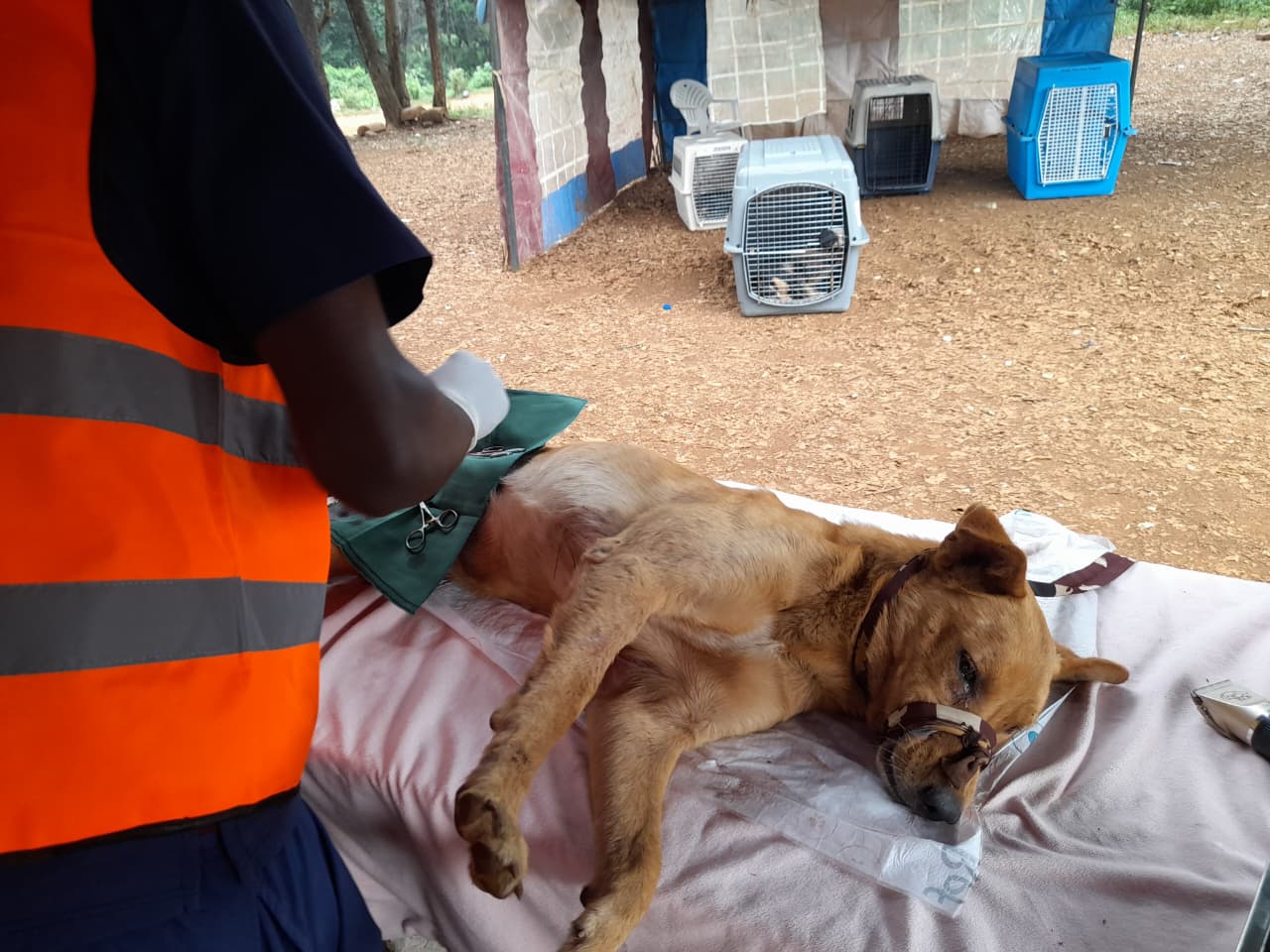
A dog that has received vaccination and is being sterilized.
The Reality of Stray Animals
Stray animals are often lost pets or abandoned animals that have adapted to life outside. They can be found in urban, suburban, and rural areas, each presenting unique challenges. According to the ASPCA, approximately 3.3 million dogs enter shelters every year in the United States alone. Many of these animals are strays, and understanding their behavior can help us respond appropriately.
Common Types of Stray Animals
- Dogs: Often friendly but can be fearful or aggressive if approached.
- Cats: Typically more independent, but some may seek human interaction.
- Wildlife: Animals like raccoons, squirrels, and birds can also be considered strays in urban settings.
Recognizing the type of animal you are dealing with is the first step in ensuring safety for both you and the animal.
Understanding Animal Behavior
Before approaching a stray animal, it’s essential to understand their behavior. Stray animals may exhibit signs of fear, aggression, or submission. Here are some common behaviors to look for:
- Fearful Behavior: Cowering, hiding, or running away.
- Aggressive Behavior: Growling, barking, or showing teeth.
- Submissive Behavior: Rolling over, tail between legs, or avoiding eye contact.
Signs of Distress
Stray animals may also show signs of distress, such as:
- Excessive barking or meowing
- Limping or other signs of injury
- Unkempt fur or visible signs of malnutrition
Recognizing these signs can help you determine the best course of action.
Safety Tips for Interacting with Stray Animals
When encountering a stray animal, safety should be your top priority. Here are some tips to keep in mind:
- Keep Your Distance: If you see a stray animal, it’s best to observe from a distance. This allows you to assess the situation without putting yourself at risk.
- Do Not Approach Aggressively: If the animal appears aggressive or fearful, do not attempt to approach it. Instead, back away slowly and give the animal space.
- Avoid Eye Contact: Direct eye contact can be perceived as a threat by animals. Instead, keep your gaze soft and avoid staring.
- Use Calm, Soft Voices: If you need to communicate with the animal, use a calm and soothing voice. This can help to ease their anxiety.
- Do Not Feed Stray Animals: While it may be tempting to feed a stray animal, this can encourage them to return to the same spot, potentially leading to more dangerous encounters. Instead, contact local animal control or a rescue organization for assistance.
- Contact Professionals: If you believe the animal is injured or in distress, contact local animal control or a rescue organization. They have the training and resources to handle the situation safely.
What to Do if You Are Bitten or Scratched
In the unfortunate event that you are bitten or scratched by a stray animal, it’s crucial to take immediate action:
- Clean the Wound: Wash the area with soap and water for at least 15 minutes.
- Seek Medical Attention: Visit a healthcare provider to assess the injury and discuss the need for a tetanus shot or rabies vaccination.
- Report the Incident: Notify local animal control about the incident, especially if the animal is still at large.
The Importance of Spaying and Neutering
One of the most effective ways to reduce the stray animal population is through spaying and neutering. This helps prevent unwanted litters and can improve the health and behavior of pets. Community programs often provide low-cost or free spay/neuter services, making it accessible for pet owners.
Community Involvement
Engaging with local organizations can also help address the issue of stray animals. Consider volunteering or donating to shelters and rescue groups that work tirelessly to care for these animals.
Educating Others
Education plays a vital role in promoting safety and compassion towards stray animals. Here are some ways you can help:
- Share Information: Use social media or community boards to share tips on how to interact with stray animals safely.
- Host Workshops: Organize or participate in community workshops that focus on animal welfare and safety.
- Encourage Responsible Pet Ownership: Advocate for responsible pet ownership practices, including spaying/neutering and proper identification.
Conclusion
Understanding stray animals and how to interact with them safely is essential for both their well-being and ours. By following the tips outlined in this post, you can help create a safer environment for stray animals and your community. Remember, if you encounter a stray animal in distress, it’s best to contact professionals who can provide the necessary care and support. Together, we can make a difference in the lives of these animals.
For more information on stray animals and how to help, visit ToCAWI’s website or reach out to your local animal control. Your actions can lead to a safer and more compassionate community for all.